
Views: 0 Author: Site Editor Publish Time: 2026-02-10 Origin: Site
Vacuum packaging of food removes oxygen, effectively inhibiting the growth of aerobic microorganisms (such as molds and spoilage bacteria), thereby extending shelf life by several times. At the same time, it prevents food oxidation, locks in moisture and flavor, avoids freezer burn in frozen foods, and reduces volume for easier transportation and storage.
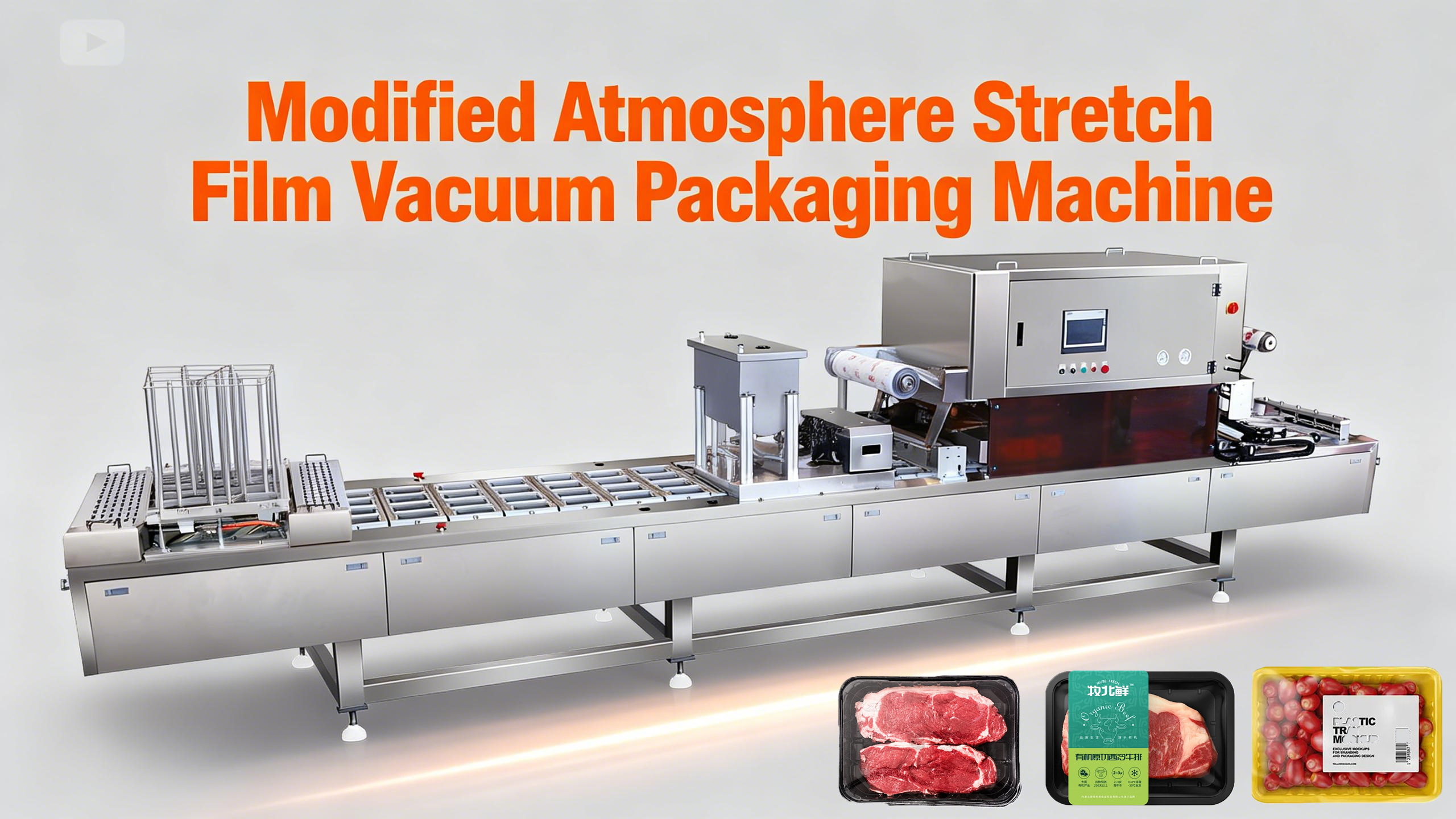
Depending on production capacity and level of automation, food vacuum packaging machines are mainly divided into three types:
Choosing the Right Industrial Equipment Based on Food Characteristics:
| Type of Machine | Working Principle and Features | Scope of Application | Matching Requirements |
| Commercial/Double-Chamber Type | Double vacuum chambers work alternately, high efficiency, strong vacuum. | Central kitchens, small and medium-sized food factories, fresh food supermarkets, and small food shops. | Cycle speed (times/hour), vacuum chamber size and material, pump power and durability. |
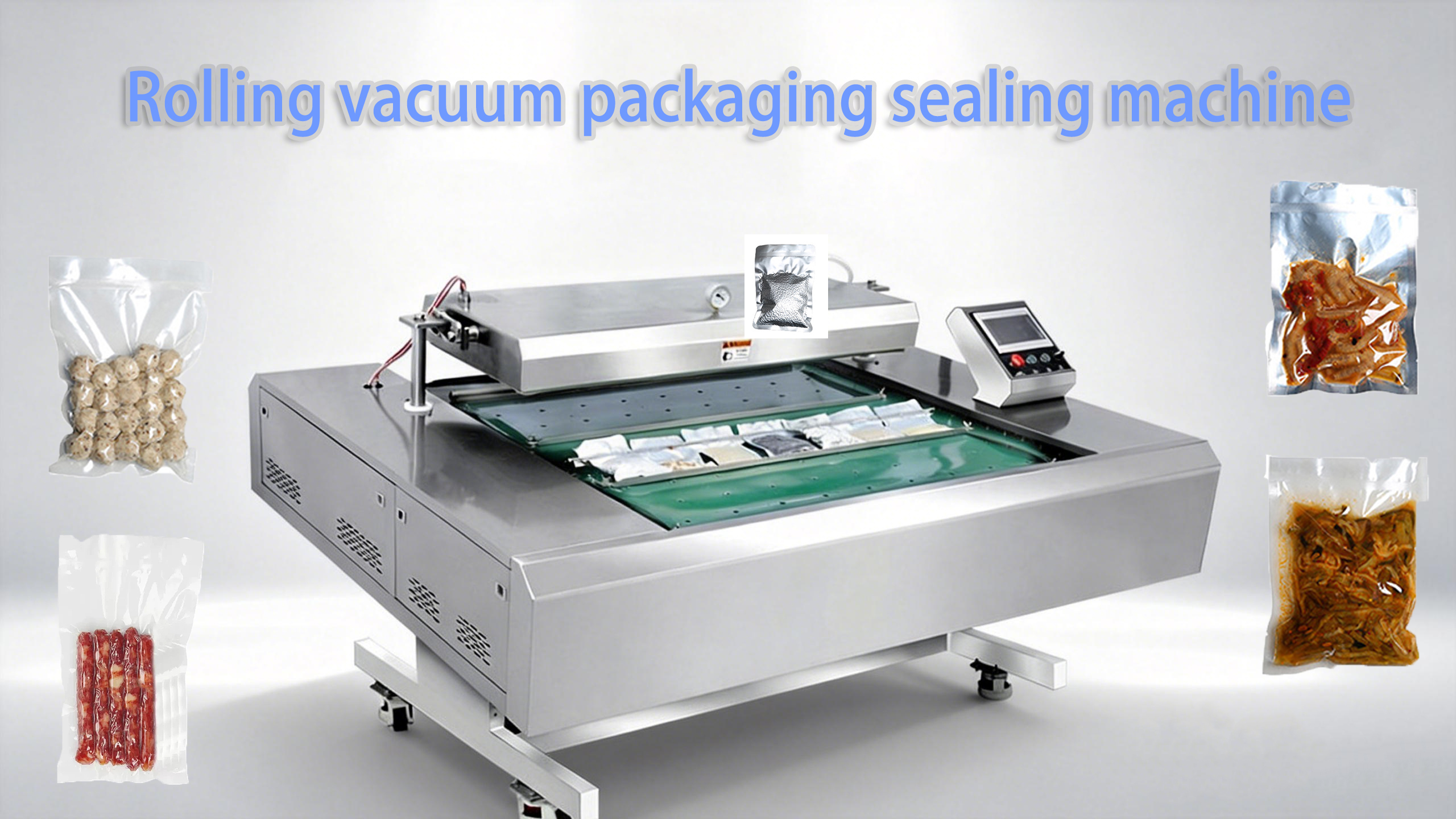
Food Characteristics: For foods packaged with soup or powder, you need to choose models with anti-spill (splash-proof) features, inclined sealing strips, or recessed design machines, such as a rotary packaging machine.
Clearly define the core characteristics of the food:
Physical state: Is it solid, powdered, juicy, or viscous paste? This directly determines whether you can use standard cavity packaging or need anti-spill, tube packaging.
Preservation requirements: Is the main concern preventing microbial spoilage, oxidation and discoloration, moisture loss, or flavor loss? This determines whether you need high vacuum, modified atmosphere, or high-barrier materials.
Food State | Core Challenges and Packaging Objectives | Recommended Models | Optional/ Specialized Models | Key Considerations |
Solid Food | Excluding oxygen, preventing crushing, maintaining shape. High vacuum level is key. | 1. Double-chamber/Single-chamber Lid-opening Vacuum Packaging Machine: Most versatile, high vacuum level, and cost-effective | • Skin Packaging Machine: Used for irregular, juicy high-quality solid foods, giving a good appearance. | • If the meat comes with bones, thick puncture-resistant bags and a powerful vacuum pump are needed. |
• Modified Atmosphere Packaging (MAP) Machine: Used for fresh meat or cut fruits and vegetables that need to maintain a bright red or pink color. | • Foods that easily release oil, like cheese, require oil-resistant heat-sealing strips and materials. | |||
Powdered Food | Preventing moisture absorption and caking, preventing powder from being sucked away, requiring extremely high sealing performance. | 1. Double-chamber Vacuum Packaging Machine with Dust Removal/Anti-Powder Device: Equipped with secondary sealing or powder filtration system to prevent powder contamination in the sealing area. | • Pre-made Stand-up Pouch Vacuum Packaging Machine: Designed specifically for filling powder, highly integrated with good dust control. | • Absolutely avoid using a standard vacuum machine, as powders can be sucked into the pump and damage it. |
• Heat-sealing strips need to be easy to clean. | ||||
Juicy Food | Juice being sucked out during vacuuming, causing poor sealing and machine contamination. | 1. Double-chamber/Rolling Vacuum Packaging Machine with Juice Packaging Function: Features inclined sealing or secondary vacuuming technology. | • Skin Packaging Machine: Juice is locked between the skin film and the tray, completely preventing spillage and providing a good appearance. | • Spill-prevention functionality is a must. |
• Stretch Film Packaging Machine (with MAP): Soup is held in formed grooves, sealed with top film, safe and visually appealing. | • The inner layer of the packaging material should be cast CPP that can withstand soaking in soups or juices. | |||
Thick Paste-like Food | Difficulty in precise filling, difficulty in removing residual air, easy contamination of seals. | 1. Tube Vacuum Packaging Machine: The most professional solution, filling from the bottom, vacuuming, and sealing with almost no residue. | • MAP Machine for Pre-made Cups/Boxes: Suitable for ready-to-eat paste-like products (such as desserts and mousse), attractive. | • If using bags, a high-viscosity filling machine is required, and a cleaning device should be in place before heat sealing. |
• • Deep Draw Vacuum Packaging Machine: Can be made into multiple compartments, packaging paste along with other ingredients together. | • Pastes are prone to oxidation and require high-barrier materials. |
Barrier properties: Oxygen permeability and water vapor transmission rate are key. For long-term preservation or foods that are easily oxidized, materials with high barrier properties (containing EVOH, aluminum foil, or metallized layers) must be chosen.
Heat seal performance: Ensure that the material can bond well with the heat sealing bars of the equipment.
Mechanical strength and durability: Consider the material's resistance to punctures, freezing, and high temperatures (such as for boiling sterilization). Match equipment with the process.
Based on the packaging methods and materials identified in the first three steps, select equipment with corresponding functions. For example, for packaging juicy braised meat, look for chamber or thermoforming vacuum machines with 'tilt sealing' or 'secondary vacuum' capabilities.
4. Consider cost and production capacity when choosing industrial equipment:
Equipment: Fully automatic stretch film packaging line > deep draw equipment > standard chamber machine > thermoforming packaging machine (relatively).
Materials: Materials containing aluminum foil or EVOH > ordinary transparent high-barrier films > regular vacuum bags.
Balance point: Find the optimal balance between preservation effect, appearance requirements, and overall cost
1. Food safety and operation specifications
The material of the equipment (especially the part that comes into contact with food) must meet food-grade standards (e.g. stainless steel). During operation, it is necessary to ensure that the sealing area is clean and free of oil or debris to prevent poor sealing. After packaging, it is recommended to conduct a random inspection of the sealing line (such as water immersion leak detection).
2. Regulations and certification
In the Chinese market, vacuum packaging machines for food contact need to pay attention to QB/T specifications. Export equipment needs to comply with the certifications of the target market, such as CE (including the Machinery Directive and Electromagnetic Compatibility) in the European Union, UL certification in the United States, etc. The use of equipment with traceability coding has become a common requirement for regulations and brands.
3. Daily maintenance list
Daily: Clean the residue on the vacuum chamber and heat sealing strips.
Weekly/monthly: Check the oil level and color of the vacuum pump (oil pump type), clean the filter.
Semi-annual/yearly: Vacuum pump inspection, sealing ring replacement, calibration of temperature and time controller by professionals.
Fifth: summary
Food vacuum packaging machines are evolving from a simple sealing device to not only in terms of cost, capacity and efficiency, as well as the characteristics of the product itself. In the future, equipment with efficient, intelligent, flexible and environmentally friendly characteristics will become the mainstream. For users, clarifying their product characteristics and production capacity needs, choosing reliable brands, and paying attention to standardized operation and maintenance are key to ensuring return on investment and food safety.

Address
Jinan,Shandong

Telephone
+86-15098986094


